
“Goodbye Horses: The Many Lives of Q Lazzarus” Review
Director: Eva Aridjis Fuentes Cast: Q Lazzarus Distributor: Janus Films Running Time: 103 min. MPAA: Not Rated
In one of the most iconic scenes of The Silence of the Lambs, serial killer Buffalo Bill dances in front of a mirror, his lips adorned with lipstick, his penis tucked, and his mouth begging the question of his reflection, “Would you fuck me?” The music for this scene is “Goodbye, Horses,” a memorable song that has become closely associated with the picture, but few seem to recall who sang it. That voice was Q Lazzarus, a name that one could be forgiven for forgetting, given how she disappeared entirely from pop culture.
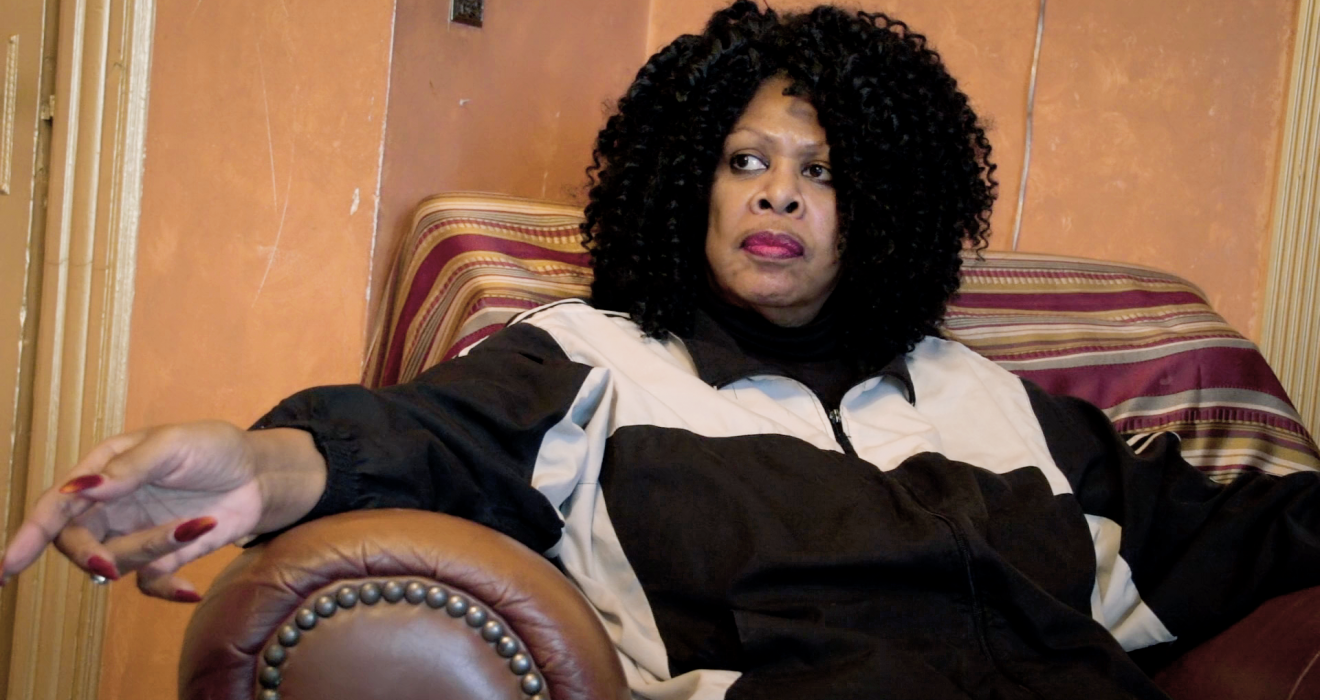
The Many Lives of Q Lazzarus catches up with the singer in the late-2010s/early-2020s to figure out where she went and where she’s going. The interviews with those who knew her reveal details about how her voice ended up in Jonathan Demme’s award-winning movie. But when it comes to what happened after, Diane Luckey, aka Q Lazzarus, has a story to tell you. Her time away from the microphone was one of cocaine, homelessness, and prostitution that she tells with incredible detail and energy. Of course, she has stories of being recognized in public as looking and sounding like that one woman who sang the Horses song, but they’re not as notable as the time she grew so paranoid after taking drugs that she got kicked out of an apartment building. Some of these topics seem to be too much for her husband, who nearly leaves the room over some issues, but Diane is not afraid, speaking with almost no shame about her life’s wild route.
Director Eva Aridjis was one of those people who just stumbled into the presence of Q Lazzarus. Eva was picked up by a car service in New York with Q behind the wheel. The surprise sparked the idea for this documentary that did far more than recount her career. As much as she divulges her history, she also delves into it with her son’s help, discovering where her music ended up online. Her music still holds up, as the tracks showcase prove how remarkable her range can be beyond her most memorable melody. Inspired by the nostalgia so many favor, Diane attempts to reassemble her remaining musical co-horts for a return to the stage. She’s excited to sing again, but too many complications get in the way and tragically lead to an abrupt end to her life. Her death from sepsis and the carelessness of doctors is sadly a common occurrence, and her son is more numb than rattled by this dismal conclusion.
The time spent with Diane Luckey is rather inspiring, beyond her strong storytelling with her greatest hits glossing retro footage. There’s a wisdom to how she navigates the world, even when she seems to be stumbling through the worst of times. When her life turns towards prostitution, she highlights how finding the various street businesses of drugs and sex was more a case of relearning than something entirely new. But even as she encounters new issues related to the COVID-19 pandemic and the rise in police brutality, she still offers sage words. After her son attends a protest following the murder of George Floyd, she doesn’t back down about how proud she is that her kid is becoming this involved with trying to change society. While her grown child remarks that this movement is akin to the protests of the 1960s, Diane stresses that the political movements of the 2020s are unlike anything seen before. Her generation never saw such a swell of activism this grand, and that uncharted territory is exciting to witness. One can’t help but wonder how she’d feel if she lived through a botched surgery to see where the world went next.
The life of the underrated Diane Luckey is lovingly celebrated in The Many Lives of Q Lazzarus for more than just her music. She was far more than a one-hit wonder, even if the world chose that title when her voice didn’t grace more soundtracks of the 1990s. Her story was thankfully told by the woman herself before her flame flickered away, leaving behind much more than a moody theme for Buffalo Bill.