
“Elsinore” Review
Director: Simon Stone Screenwriter: Stephen Beresford Cast: Andrew Scott, Olivia Colman, Billie Piper, Johnny Flynn, Luke Thompson, David Dawson, Matthew Beard, Joe Locke, Juliet Stevenson, Peter Mullan Distributor: 111 min. Running Time: 111 min. MPAA: R
Much like Hamlet, Elsinore is a familiar framework for a biopic, but one bolstered by the performances. For better or worse, director Simon Stone takes the tragic tale of an actor’s final years and refines it into the most meaningful moments. That might deter audiences hoping for a more contemplative picture of theater production and AIDS, but I found it briskly engrossing and reflective of how such a figure was more focused on the stage than his illness. Locking in that determination for the pacing and tone works remarkably well for a film that miraculously manages to capture that artistic drive amid what is clearly an acting vehicle.
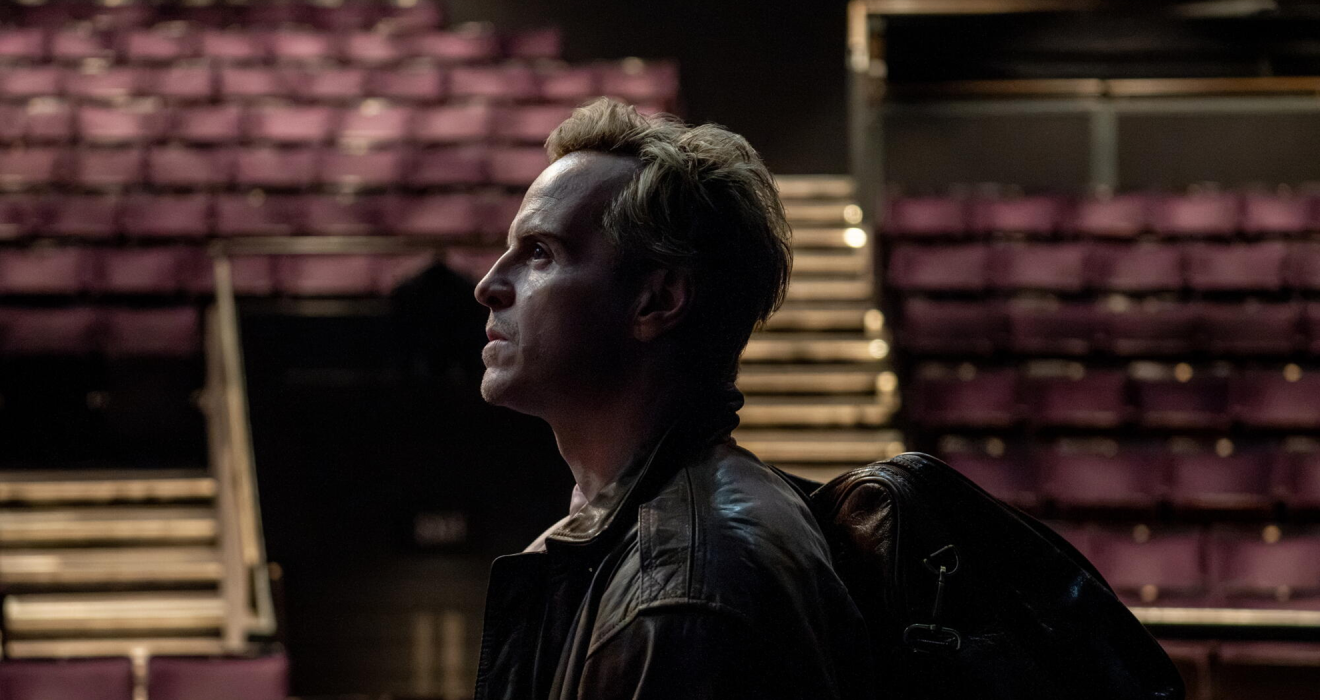
Because, yes, Andrew Scott brought his A game to the portrayal of the film and stage actor Ian Charleson. Following his role in Chariots of Fire, he unfortunately contracted AIDS, choosing to keep it hidden in a highly scrutinizing London. At the same time, his silence is viewed as a betrayal by the gay community that suffers in the streets. All Ian wants is one last chance to act in a meaningful role, and he is presented with a golden opportunity when Daniel Day-Lewis drops out of a production of Hamlet at the National Theatre. The play’s director, Richard Eyre (Johnny Flynn), is happy to have somebody as accomplished as Ian performing in the lead role. Of course, his AIDS diagnosis might present a problem and remains hidden from the rest of the cast.
Less inclined to agree with Ian’s final performance is the physician Margaret Johnson (Olivia Colman) of the Royal Free Hospital’s AIDS ward. More focused on Ian’s health than his artistic drive, she’s not keen on how this actor attempts to balance his AIDS treatment with his rehearsals. But the role of a lifetime is something Ian can’t turn down, especially for what will end up being his final performance. If the treatments grow more extreme and he needs to confess his diagnosis to family and friends, he’ll cross that bridge when he comes to it. All that matters is bringing Hamlet to life as he nears death.
Director Simon Stone keeps the film tightly paced, showing a rapid illness and a fast-moving theater production. The shortness of time can be felt in how Ian progresses from having HIV to AIDS, signaling a desire to live up to his dream, but also invoking the honesty needed during an age of discrimination, as when he’s confronted by his openly gay friend Derek Jarman (David Dawson). Scenes that could’ve been drawn out never linger too long, such as when Ian commits to purchasing a motorcycle for transportation, noting that it’s called Eslinore, the castle from Hamlet. It’s a sign, but one that he hasn’t had too much time to think about. He needs to speed over to the theater for rehearsals and costume fittings, hoping he can get his lines in before nausea takes over.
Even with how tight this film is, it never feels too rushed in the moments it slows down. The smaller moments of Ian befriending a young patient with dashed dreams of stardom and the playful banter with the nurses never come off like hokey filler to meet the dramatic quota of such a story. While Stone’s direction takes a gamble here, Scott’s performance rises to the occasion, bringing out more heartfelt emotions in what could’ve been only adequate notes. As a result, aspects of Ian’s dwindling health and grappling with being open about his sexuality come across as more genuine and moving. His interactions are refined to the most important and meaningful moments. His ex-lover Georgie (Luke Thompson) lies on his deathbed, and the final words he shares with Ian hit just the right notes for this somber moment. Ian’s connection with the caring casting director Patsy (Billie Piper) feels like family, as when Ian makes almost effortless conversation with Patsy’s ambitious daughter Alice (Sadie Soverall). As for Ian’s actual family, the scene where Ian finally confesses his diagnosis to his mom and dad at the AIDS hospital is met with a wave of different emotions that never settle into a simple perspective.
Of course, there’s plenty of love for the theater, and Stephen Beresford’s screenplay beautifully highlights the appeal of going to a Hamlet production at the National Theater. From the quirky staff at the front desk to the delivery practice within the halls, it’s surprising how these diced-up moments still feel like the audience is just hanging out with some actors putting on a show. Early on, Ian speaks with great excitement about a theater tradition that involves making some noise on opening night, where all levels of the establishment engage in a ritual of luck. When that moment arrives, it’s magnificent for far more than recognition for a dying actor’s finest hour. The bits of Hamlet on stage are still wonderful, but the moments behind the stage are just as strong, and I longed to linger just a little bit longer to soak in so much of that focus and passion.
Elsinore meets the expectations of a strong showcase of Andrew Scott’s acting, but it’s also composed in a way that rarely feels passive. Trying to balance a love of the performing with the tragedy of the AIDS epidemic, the film becomes something far more beautiful than a depressing AIDS drama or a mere love letter to the theater. Of course, Ian’s goal throughout is for the show to take precedence, and he sells his passion to the audience as much as to his physician. We all want some more of that elixir which makes us feel alive and puts the fear of death at bay. Eslinore finds more than a few drops and lets us drink full.